
ISSUE #134
BEAM FROM THE BOOTH | GRAND RAPIDS FILM SOCIETY

[EDITED BY: SPENCER EVERHART & GRIFFIN SHERIDAN]
Welcome back to BEAM FROM THE BOOTH, the official newsletter of the GRAND RAPIDS FILM SOCIETY!
We are thrilled to be on the precipice of another OPEN PROJECTOR NIGHT event TOMORROW NIGHT (3/18) at 7:00pm. Then, THURSDAY NIGHT (3/19), MOVIES AT THE MUSEUM, our partnership with GRAND RAPIDS ART MUSEUM, continues with our screening of Terrence Malicks’ THE NEW WORLD. Tickets are still available, and more importantly — they’re totally free! Join us for an evening of cinema at the GRAM.
Now, check out an extended preview of tomorrow’s OPN event, featuring interviews with all of the filmmakers included in this latest program!

OPEN PROJECTOR NIGHT: MARCH 2026 PREVIEW
[BY: SPENCER EVERHART]
OPEN PROJECTOR NIGHT is a series we continue to be absolutely thrilled to present, and we’re back at it again! Please join us on the evening of WEDNESDAY, MARCH 18th, at 7:00pm to support and celebrate local independent filmmaking.
Our very own Spencer Everhart (who also helps in selecting works for the event) interviewed most of the selected filmmakers about their short films as a preview of this edition’s lineup for you all. Check it out...
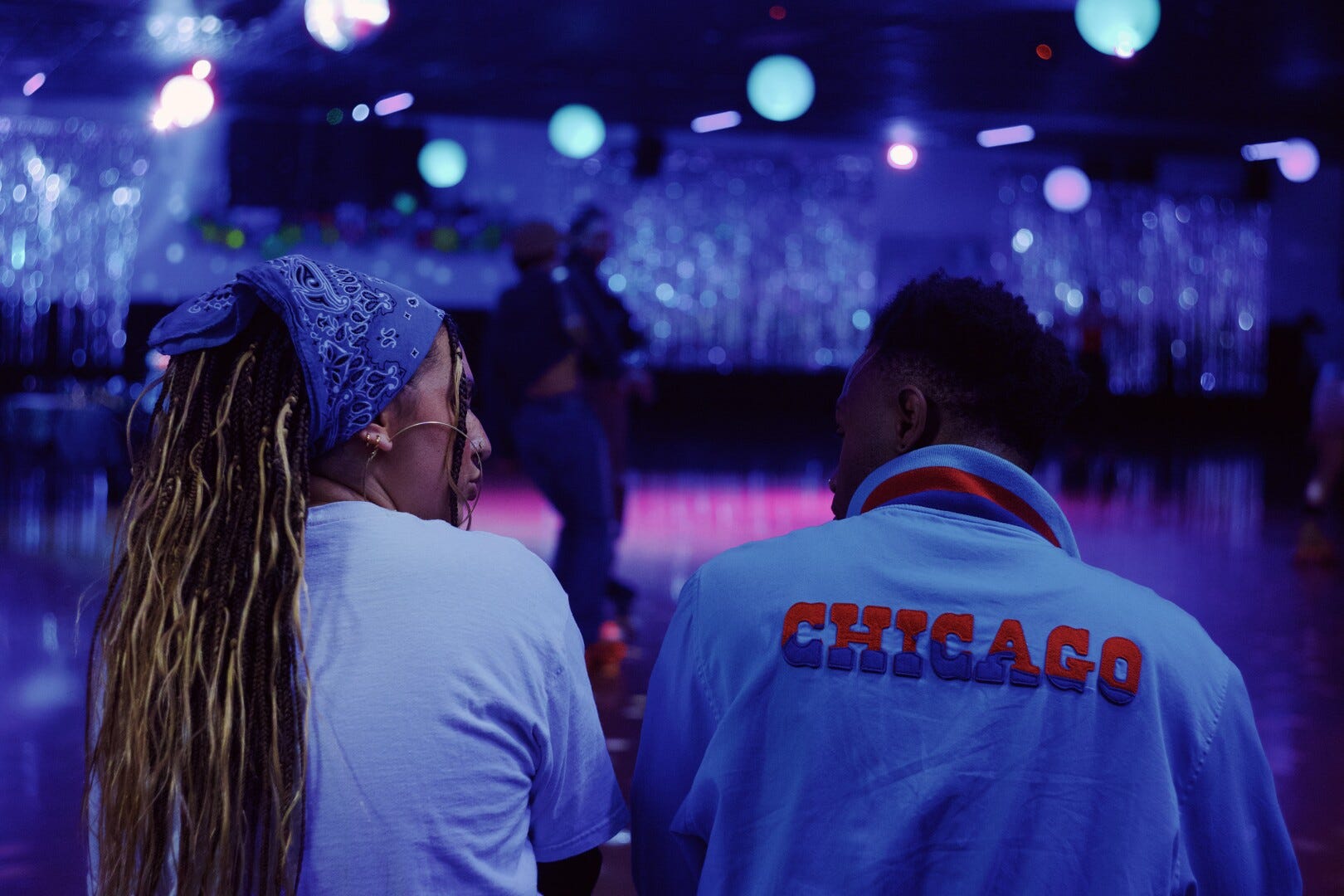
The Rink (Kenny Acker)
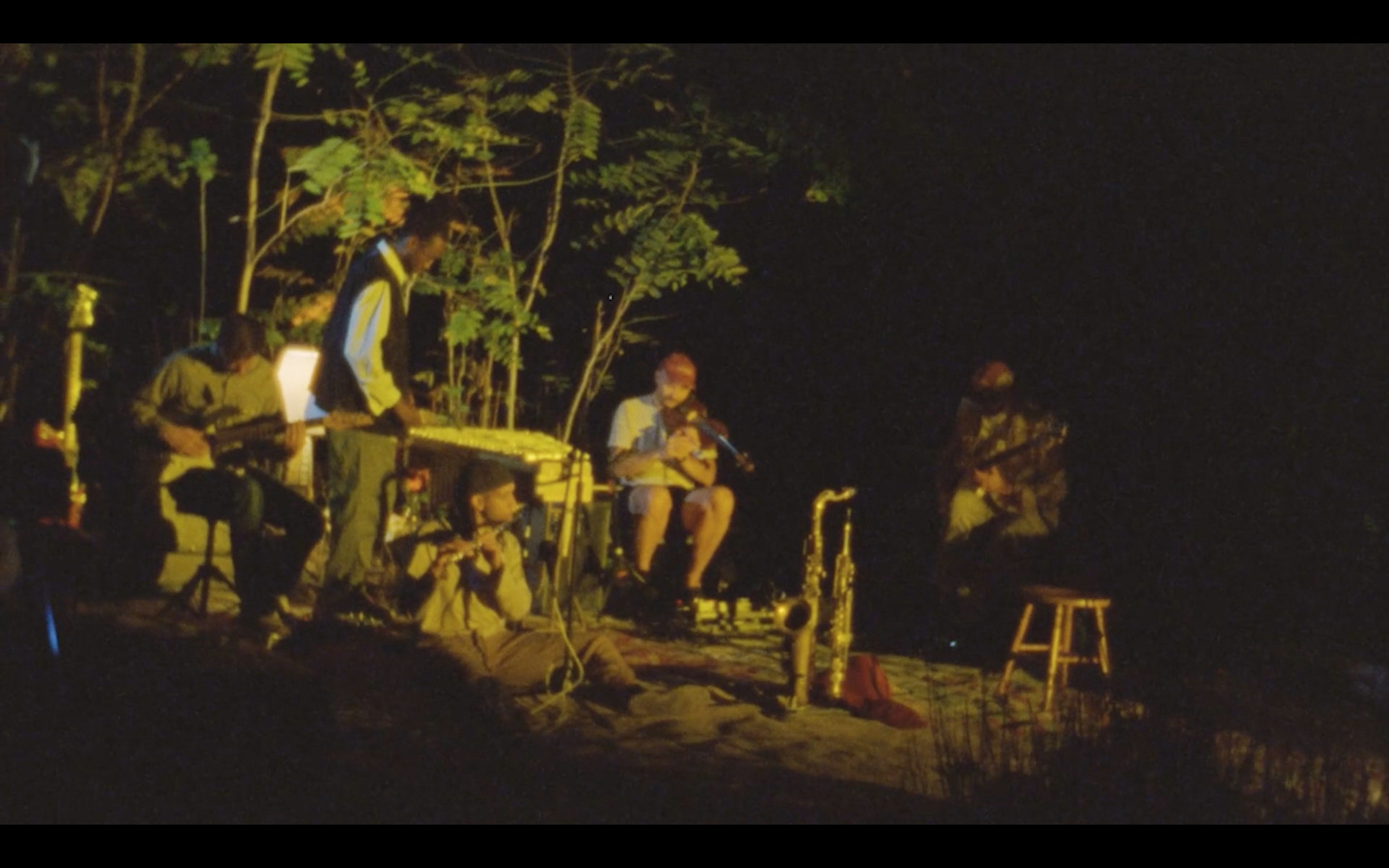
Ambient Night (Philip Carrel)
Spencer Everhart: How did you originally get into cinema and what has your journey been as a filmmaker up until now?
Philip Carrel: I may have gotten into cinema because my dream world as a young child was so wild and scary, things I saw in movies or on TV had the potential to haunt me as I slept, though often the darkness of night and my own imagination was enough. I was often captivated by movies and my body would really react, I think a part of that was I struggled to differentiate reel from real. Fast forward to today, I’ve spent the last 20 years making my own films, mostly short-form, mostly with friends. At times it’s been a gentle journey with linear levels of success and growth, and other times it’s been worse than the Wildcat rollercoaster at Michigan Adventures that my Dad dragged me on against my will. I cried the whole wait in line, but I ended up liking it later. The takeaway for me is to enjoy the process, build community with collaborators, and have fun.
What was the primary inspiration behind your film? How did the project come about?
The film came about as a commission to capture and document a community music event with John Hanson producing it. It was a great opportunity to encapsulate this beautiful event series that I had attended numerous times. My inspiration was to create a piece that felt like the event itself while also providing some backdrop and education around its ethos and that of ambient music as well.
What was the biggest challenge you faced while making this movie, and how did you overcome it?
This was my first project shooting 16mm which presented new challenges for me. John Hanson showed me the ropes and loaded the initial rolls which was one thing I was nervous about. I ended up loading a roll as well, and I’m so glad it turned out. I think I get extra nervous around film — the cost and the room for error that you don’t know about until you send it to the lab. So I am slowly building more confidence in this area. Shooting with film on a documentary brings a certain excitement and presence to the process, and I think it brought an organic textured quality that enhances the vibes of this film.
What about this project are you most proud of?
I like how this project, in some way, feels like “Ambient Night” itself with soothing music, visions of nature and friends on screen, and if your snacking and sipping while watching this it completes it even more.
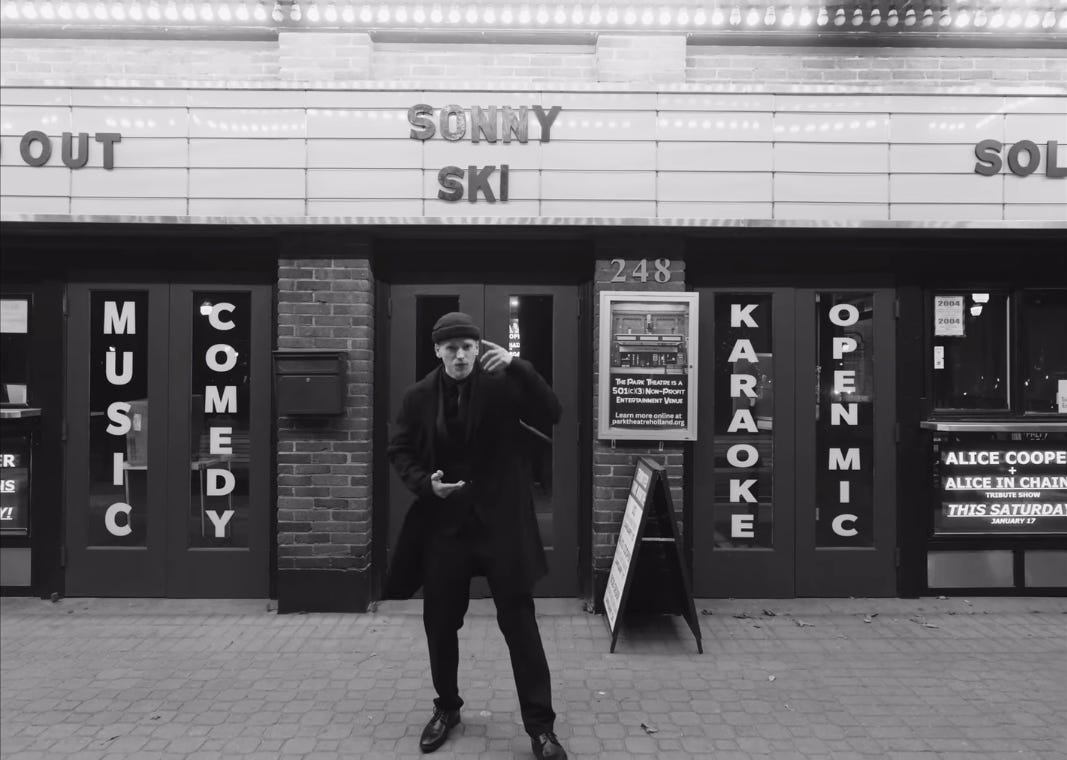
“Mind Music III” (Immanuel Mock & Sonny Ski)
Spencer Everhart: How did you originally get into cinema and what has your journey been as a filmmaker up until now?
Immanuel Mock: My intro into cinema is not different from many others. My grandfather put a film camera in my hands when I was 8, and I'd never forget looking out the viewfinder everyday as a kid with no film roll, just looking for frames that looked good to me. From writing stories on a laptop that barley worked, reading young adult novels that I probably shouldn't have, retroactively watching all my dad's DVDs throughout childhood, to then finding my own form of art and content to intake. In hindsight, I've always had an affinity for storytelling, like I believe everyone does from birth, I've had to rekindle the flame throughout recent years trying different styles of creative/film production and redefine myself to become the person I am today.
What was the primary inspiration behind your film? How did the project come about?
I remember Sonny telling me he had a song he wanted to send me, and I could tell it was more of an intimate piece of art based on what he was telling me about it. When I received the song, I turned on my speaker and started to listen and was immediately transported into the world of that song, I played it back for an hour, It was beautiful. So, going into production, Sonny had an emphasis on shooting at the actual locations of that day, thus the primary inspiration and goal behind this film was to stay true in retelling the day from Sonny’s perspective. Outside of the main story, I wanted to focus on deep and intimate close frames so the audience can feel every emotion that Sonny feels throughout each scene.
What was the biggest challenge you faced while making this movie, and how did you overcome it?
Gratefully, no large/unconquerable challenges stood in our way apart from making an effort to film in a hospital room that did not come to fruition. I would say the biggest challenge faced was in the post-production process, just making sure the sequence was accurate to the day as well as the post-production team being on the same page.
What about this project are you most proud of?
Honestly, I’m most proud of the whole project — from conceptualizing shot list to the final delivery, everything worked in perfect tandem to make for what I think is a great video.
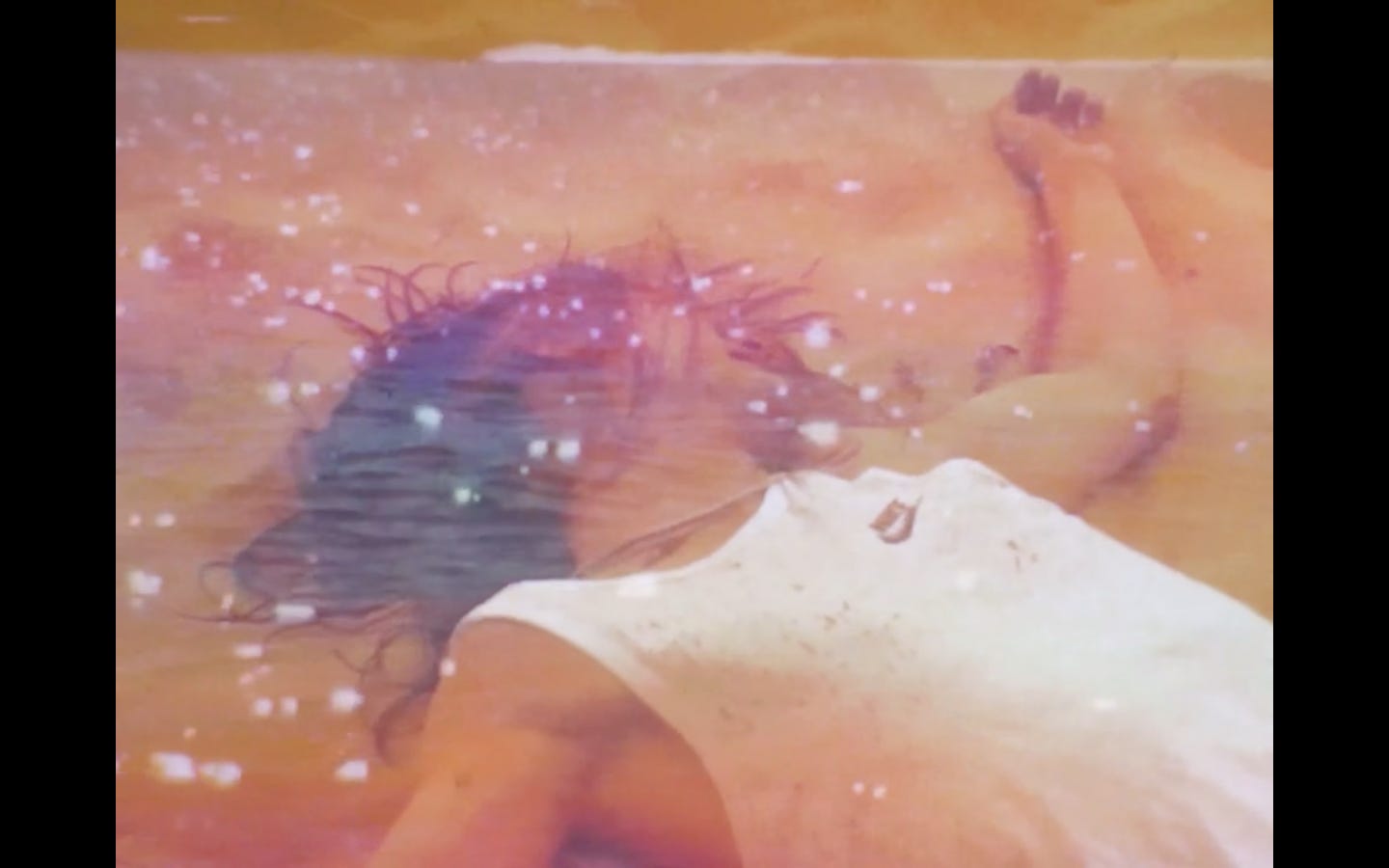
Jokes for the Chaser (Max Lovy)
Spencer Everhart: How did you originally get into cinema and what has your journey been as a filmmaker up until now?
Max Lovy: I got my first Crayola camera when I was about 4 and iMovie soon after. I made hundreds of films throughout my childhood, usually always attempting some new visual effect. I liked to make music videos to songs I liked. I’ve always connected with music a lot, and I liked the idea of making the abstract visual adventure a good song can conjure in the mind into something visible. Music and its effects on me are so fleeting that I’ve always just wanted to hold onto it in some form. Recently I picked up Super 8 as a part of the toolkit and hand-processing the film myself. I love how unpredictable working with the film is, it makes it more enjoyable and novel to not really know what I’m making until it’s done.
What was the primary inspiration behind your film? How did the project come about?
This project is part of my full film I’m working on called The Old Explorer’s Club. Me and a friend made an album, and I’m making short films for each of the six songs, this film being one of them, then playing them all back-to-back will be the full film. I’ve never made music before this project, and it’s interesting to me to see what comes out of a beginner version of me in this medium. I got really into ambient, cinematic rock stuff when I was a kid, like Godspeed You! Black Emperor and Bowery Electric. The field recordings in Godspeed’s music inspired me to carry around a cassette recorder in my pocket for a long time. A lot of the sounds on this song are from my everyday life over the years. This is also similar to how the film was shot, I would just bring the Super 8 camera along with me whenever I went on an adventure. All of the machine textures and sounds come from a tractor show that I walked around and recorded.
What was the biggest challenge you faced while making this movie, and how did you overcome it?
It took a lot of iterations to get it looking the way it does now. The overlay effect was done by shooting two projectors pointing at the same spot on my wall. When I can, I like to stay out of the editing software to do effects, especially when working with the already analogue medium of Super 8.
What about this project are you most proud of?
I really just want to make pop music, but this weird shit is where I seem to need to start. I love experimental films and collage-y music, and I feel like there’s a medium between the really obtuse stuff and stuff that can be actually accessible to a lot of people. I’d like to think that, with this film and the stuff that I’m working on now, I can bridge crazy experimentation with good feeling eye candy that speaks to something mostly anyone could enjoy.
Where Is Everybody Going? (Dawson Fryzel)
Spencer Everhart: How did you originally get into cinema and what has your journey been as a filmmaker up until now?
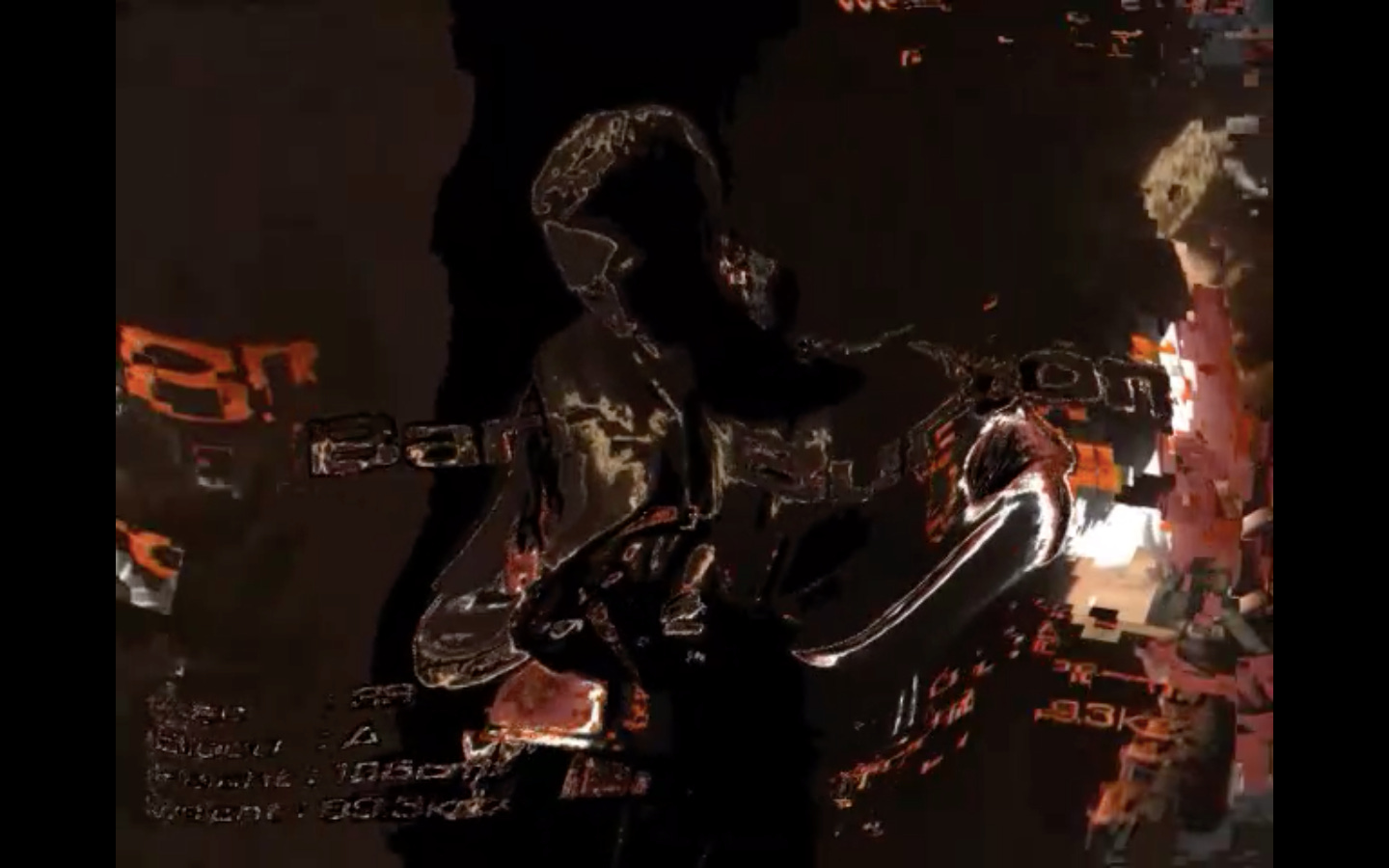
Dawson Fryzel: I originally got into cinema through the movie Clerks (1994) by Kevin Smith. I saw it and was blown away by what he was able to achieve with such limited resources and funding. I felt I could do something like that if I really wanted to, which I was starting to do more of. I've always been making satirical vlogs and reviews that blend improvisational humor with serious or nonsensical storylines. That said, I approached this project in a very different way. I've been focusing on experimental editing elements I find interesting that don't require actors, which makes it easy to work on in my free time.
What was the primary inspiration behind your film? How did the project come about?
The primary inspiration came from me wanting to blend music and video games together in a kinda comedic or interesting way that could connect the two. Resident Evil 4 has plagued my time for years, and I continue to replay it to this day. Leon says some corny lines at the beginning of that game that I wanted to use for a beat in a song. In my excitement about the announcement that there would be a ninth game coming soon, I worked on finding clips from the opening of RE4 to play alongside the song and then used PS1 Resident Evil live-action footage to blend with other footage as a visual to accompany the song.
What was the biggest challenge you faced while making this movie, and how did you overcome it?
The biggest challenge I faced while making this project was editing, and my personal computer's editing capabilities. I had to switch to GVSU campus computers to finish rendering the effects because when I tried to render them on my MacBook, it sounded like it was about to blow up. When I switched over, it took me no time at all.
What about this project are you most proud of?
The one thing I'm most proud of with this project is the datamoshing effects I used throughout as this was my first time doing that, and I think it works perfectly.
Squared Circles (Valerio Cafagna)
Spencer Everhart: How did you originally get into cinema and what has your journey been as a filmmaker up until now?
Valerio Cafagna: The way I originally got into cinema was almost purely through high school. I had such an amazing film teacher and her guidance helped me discover my love for music videos. I would binge watch Cole Bennett’s Lyrical Lemonade videos, hoping to one day do the same. After high school, I tried to follow the cookie-cutter path of going to college, but unfortunately it wasn’t the right fit for me. Eventually, after plenty of recommendations from friends I attended the Motion Picture Institute of Troy. There I would learn all about the entire cinematic process and fall deeper in love with the art of film as a whole.
What was the primary inspiration behind your film? How did the project come about?
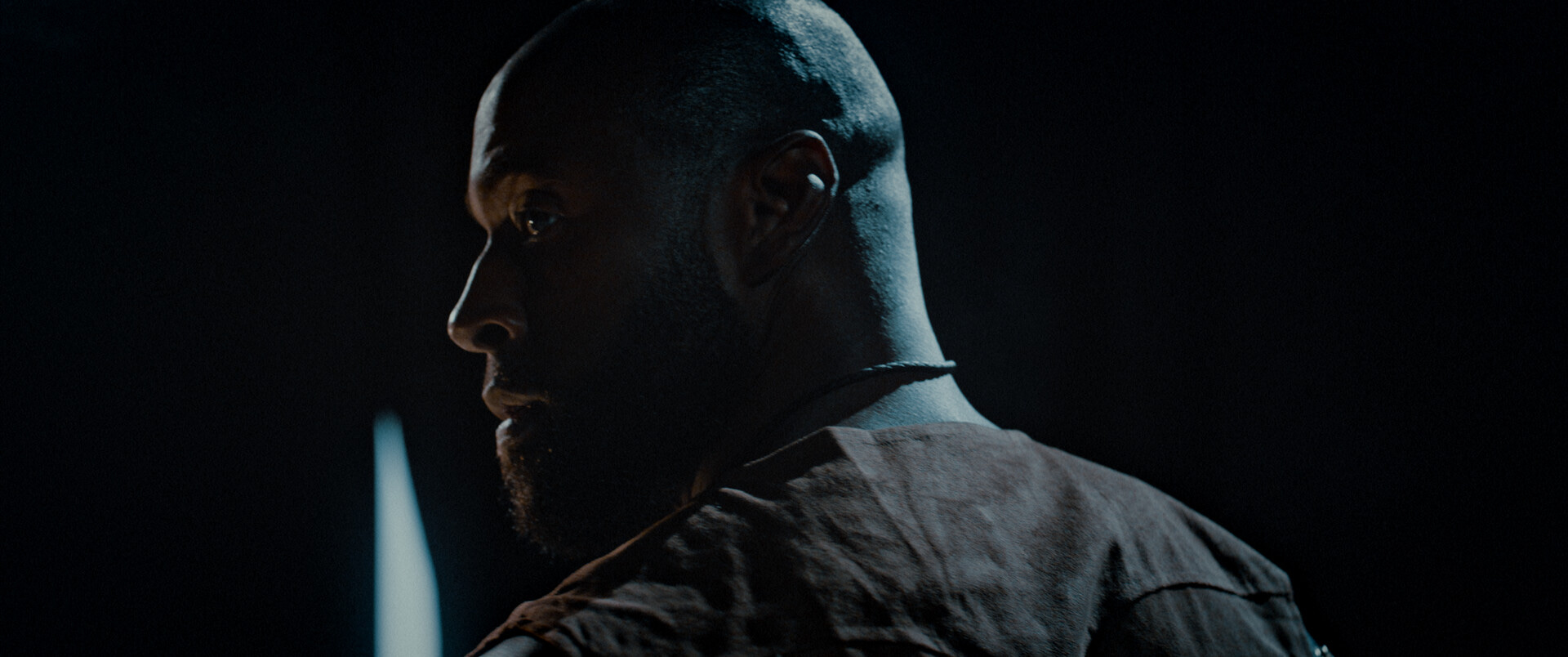
The main inspiration for my film Squared Circles is, for sure, Darren Aronofsky’s The Wrestler. Films like this that follow inherently flawed characters are so interesting to me. Flaws are what makes every single one of us human. It’s thrilling to follow a character that wears their imperfections on their sleeves and will do anything to achieve their deepest desires. So I wanted to borrow from Aronofsky’s formula and show a person’s struggle to do anything to resemble their former selves.
What was the biggest challenge you faced while making this movie, and how did you overcome it?
The biggest challenged I faced when making this film was trying to make it better than my previous work. Every time you make a film you want it to be better than your last, but you never truly know if it will. So in this pursuit I did everything in my power to level up my filmmaking style. As a director, it can be a trap to want every single frame to be akin to a painting, or as beautiful as possible — but this isn’t always what makes a great film great. I wanted to explore how to make my filmmaking more invisible, as undetectable as possible. That for sure was a struggle, but I learned so much, and I’m excited to use my newfound skills on my next project.
What about this project are you most proud of?
The thing I’m most proud of about this film is the collaboration. I had such a talented cast and crew that was willing to do whatever it took to tell this story in the best way possible. Everyone was on the same page and worked together so flawlessly, bringing their unique skill sets and voices to make this film was it is. It was insanely exciting to be a fly on the wall during takes, as everyone effortlessly played off each other as a well-oiled machine. It brings me so much joy to think about, and I’m beyond ecstatic to do it again in the near future.
A Paranormal Night in Eagle Harbor Lighthouse (Eric Machiela)

Spencer Everhart: How did you originally get into cinema and what has your journey been as a filmmaker up until now?
Eric Machiela: At ten, I saw Robin Hood: Prince of Thieves and became a movie lover. At fourteen, I saw Pulp Fiction and was hooked. At nineteen, I attended Compass Film Academy (its inaugural workshop in fall of 2000) and ultimately ended up at Full Sail in 2002 to learn how to shoot 35mm and 16mm film.
Shortly after graduating, I got connected with West Michigan filmmakers because I knew how to load and shoot film mags. This meager skillset is what connected me with my then-and-now biz partner Eric Johnson and we formed Gorilla in fall of 2004. That’s also about the same time that film (in the advertising space) was going away and digital was emerging, so the first part of our careers was trying to make mini-DV not look like, well, mini-DV (it’s impossible to do, ha). So, we had a slow start, paying rent was scary, but when we were finally able to acquire first-gen RED cameras in 2008, everything changed. Since then, we’ve been fortunate to have created great partnerships with several loyal commercial clients.
Along the way, I’ve chased the dream of independent cinema and documentaries. Not as successfully as I would’ve dreamt as a wee lad, but I don’t regret any of the adventures. Our latest feature is Deer Camp ‘86, and it’s my personal favorite of them, shot on an uber-low budget in the fall of 2020 when we had shit-all to do. :)
What was the primary inspiration behind your film? How did the project come about?
I have family on the Keweenaw Peninsula and spent every summer of my childhood in the Upper Peninsula. I’ve been wanting to make a series of docs about the culture of the U.P. and the interesting characters that inhabit it. Then I remembered: my uncle Keith told me when I was a kid, “Don’t ya know, Eric? Everything up here’s haunted.”
I’ve personaly never seen a ghost, UFO, cryptid, or anything paranormal...and I have no interest in “discovering anything” or “creating evidence” with these docs. But I do know that people dig paranormal-angled stories, and I saw THAT as a perfect vehicle into Yooper culture. So I conceived a series of short docs about the paranormal Upper Peninsula. This film is #2 in the series, and the third is filming this September at a Bigfoot convention in Gwinn, MI — a town just outside of Marquette.
We’re self-financing the shorts, but the plan is to find someone who loves Michigan tourism/economy and can help us push this out as a larger “Dark Tourism” type of economic driver for lesser known parts of the Upper Peninsula.
What was the biggest challenge you faced while making this movie, and how did you overcome it?
I don't know if this is fit to print — but honestly the biggest challenge was dealing with paranormal ghost hunters who REALLY, REALLY want to believe that some sound upstairs is a ghost...and surely not just an old lighthouse creaking. It was difficult to edit our subjects and not make them look foolish. Truth is, they genuinely believe in ghosts and that what they're doing is important! To an objective viewer, it's easy to see them as gullible or even dumb. I didn't want to do that, so it was a challenge to find a balance with what we captured and how we presented our subjects in the edit.
In reality, this short doc should not exist. It only does because I got a tour of the Eagle Harbor Lighthouse when I was around 8-years-old and the tour guide told us cool ghost stories. So I pinpointed it as “our first paranormal story.” In my opinion, we found no ghosts or solid evidence of anything paranormal, so making an edit work was a challenge. Finding an ending was also difficult.
What about this project are you most proud of?
We shot the short in June 2023. I didn’t start editing it for over a year because I needed to mentally distance myself from the subjects and material. But when I got back into the footage, I found enough snippets that were fun, interesting, and still respected the ghost hunter’s beliefs and voices. I also shared edits with the paranormal investigators along the way to get their approval and am happy to report that the Copper Country Paranormal Investigators love the edit and think it’s really cool that we featured them. Honestly, their happiness is my proudest achievement with this short doc.
You Don’t Know What You’re Talking About (Darius Quinn)
Spencer Everhart: How did you originally get into cinema and what has your journey been as a filmmaker up until now?
Darius Quinn: My first job was at a movie theater. I think that’s what piqued my interest, anyway. I was always into art and music and fashion growing up, and I just didn’t have anywhere to put all of that. And cinema was sort of this glue for me where I could express all of my interests in one container and could still make sense. My journey has been a rollercoaster of emotions: is this for me? What else can I do? I think probably the same emotions a lot of artists have. I’ve gained a lot of confidence in expressing my vision, and I’ve become more comfortable with not settling.
What was the primary inspiration behind your film? How did the project come about?
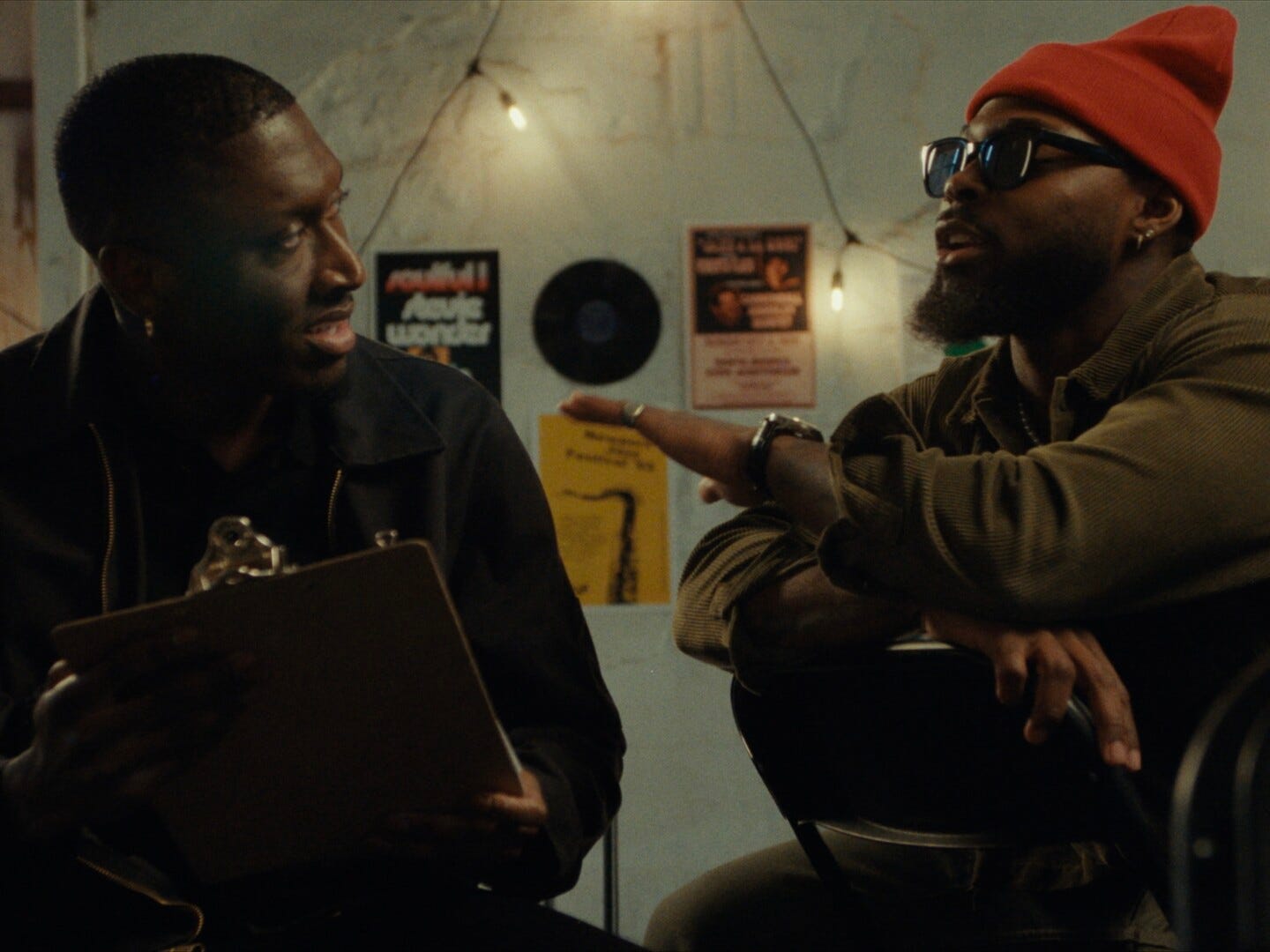
I originally had a different script with a subplot of an open mic night. I felt as though the original concept was too large to do logistically without making too many compromises, and I didn’t want to do the compromised version of it. So I took the subplot and expanded that a bit. This way, I only had one major location to worry about — which is the poetry hall that it takes place in.
What was the biggest challenge you faced while making this movie, and how did you overcome it?
I really (like, really) wanted my camera to move — as much as possible, if it made sense for the shot. And we had to get through eight or nine pages of the script (which takes up about 90% of the film) in a ten-hour day. Multiple set-ups and swinging the movements I wanted was challenging. And we shot it on a vintage lens, which made moving the camera more difficult, and I get stubborn about a still camera (haha).
What about this project are you most proud of?
The team and the work put into it. This was my largest crew to date — some members I didn’t know and hadn’t met until we arrived on set. And still, everyone there did all they could for my vision. I’m very grateful for that.
“Jacques (As You Like It)” (Tony Halchak & Mawrgan Shaw)
Spencer Everhart: How did you originally get into cinema and what has your journey been as a filmmaker up until now?
Tony Halchak: I originally went to college to pursue being a screenwriter but ended up joining some bands and hitting the road. Sometimes when things line up correctly I am able to get some of my story ideas to work with songs I have released over the years.
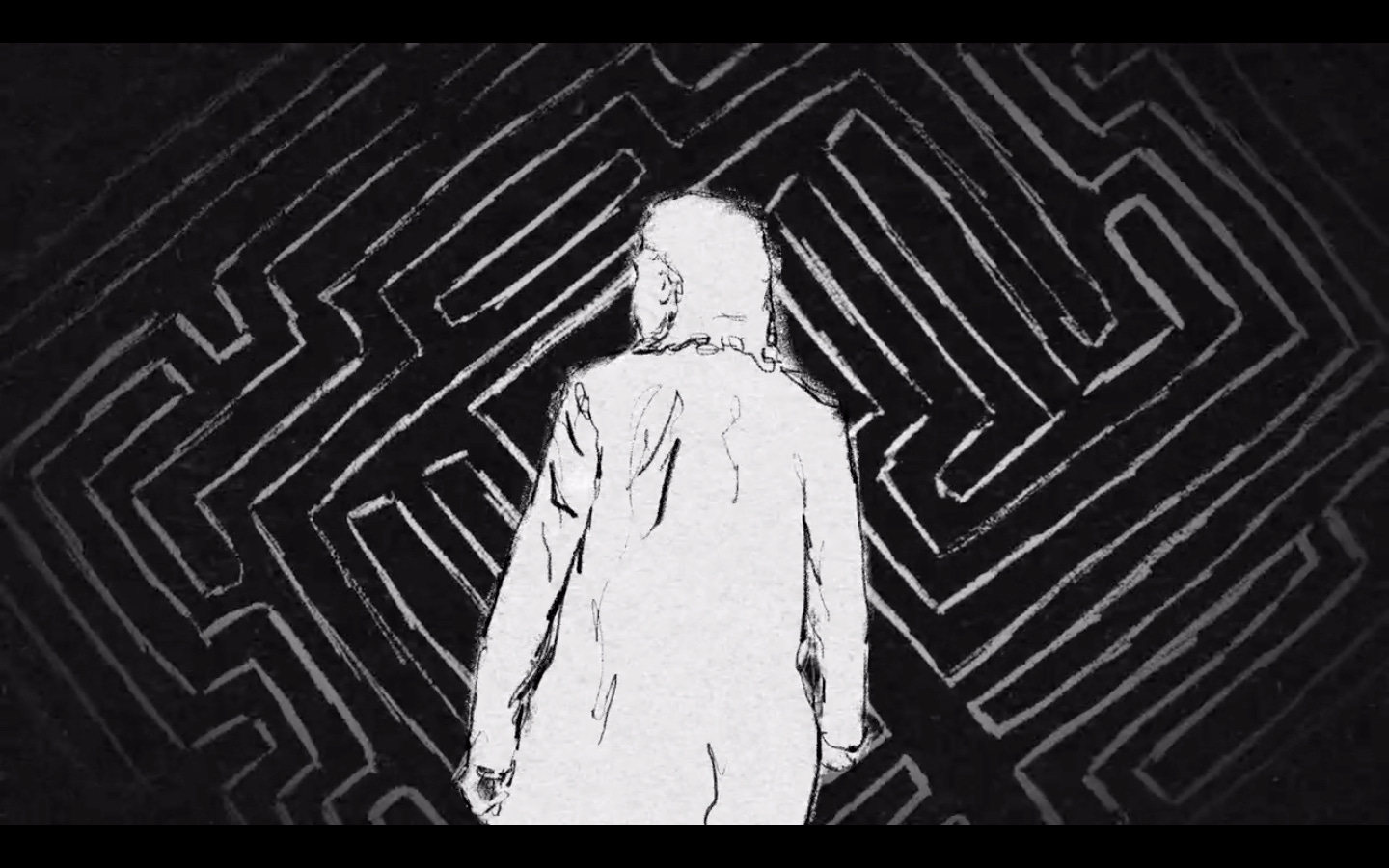
Mawrgan Shaw: I was first introduced to radio, then live television through a not-for-profit media organisation called the Student Youth Network in Melbourne. I later studied Arts, completed a Masters of Film, and worked with the collective 54th Story creating short films. During the pandemic, when collaborating on set wasn’t possible, I pivoted to animation — an area I’d always been interested in. I fell in love with frame-by-frame, hand-drawn animation, which has been my focus for the past five years.
What was the primary inspiration behind your film? How did the project come about?
Halchak: I’ve done some animated videos for some of my songs in the past, and I’m always hoping to work with someone who works in a style I haven’t done before. Rotoscope is a style I’ve always loved, and I saw Mawr’s work and approached her with an idea I had for one of my songs, and she was immediately onboard.
Shaw: Tony reached out with his wonderful song “Jacques (As You Like It),” and we discussed its themes, what it meant to him, and how it came about. From there we explored different concepts until a clear vision emerged, which developed into a storyboard that aimed to both tell and enhance the song’s story.
What was the biggest challenge you faced while making this movie, and how did you overcome it?
Halchak: I think the most difficult thing is trusting your gut. I tend to collaborate with people in all aspects of art that I just love their vibe and their artistic sensibilities. I don’t ever approach something where I say “this is my vision. make it happen.” I sort of enter into the idea with the other person and let them fully into the project with me. It gives up a lot of control, but I feel like that’s where art is made that is truly unique. So it sometimes is difficult to trust that initial gut reaction, but it’s always worth it.
Shaw: The biggest challenge was conceptualizing the themes in a way that felt clear while still retaining subtlety and nuance. It was important I leave space for viewers to bring their own interpretation while also telling a distinct visual story.
What about this project are you most proud of?
Halchak: I’m just proud it exists. I’m really lucky Mawr wanted to collaborate and am just blown away by what was created. I’m a really lucky person to be able to work with all of the amazing artists in my life, and I never take it for granted.
Shaw: I love the mix of surrealism and realism and the dream-like movement throughout. With this music video, I feel I captured the emotions Tony and I discussed, and I hope that when people watch and listen, a narrative forms for them — drawn not only from what’s on screen, but from themselves, and what they find meaning in.
Starshine (Caleb J. Wilson)
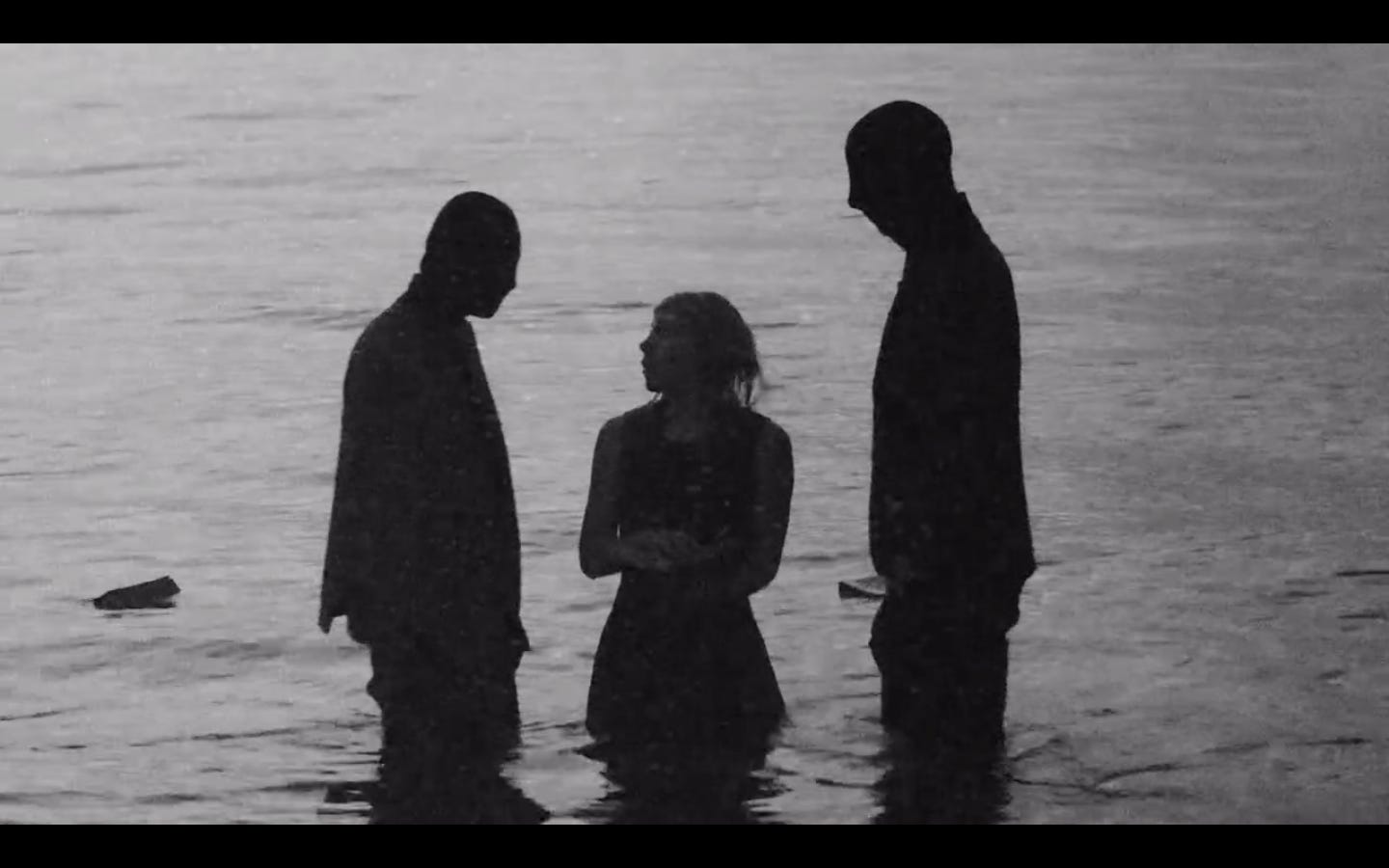
Spencer Everhart: How did you originally get into cinema and what has your journey been as a filmmaker up until now?
Caleb J. Wilson: My parents are very conservative, and so growing up I was never allowed to watch many real movies. I saw the Star Wars, Marvel, and Jurassic Park movies (those were big for me), but I was never exposed to anything more intense than Lord of the Rings.
So when I was seventeen and saw the The Shining scene in Ready Player One, I was totally intrigued and wanted to understand the references better. So, on a school trip, I watched The Shining on my phone in an old Casino hotel that looked exactly like The Overlook in the film, which completely immersed me in the story.
When I got back, I looked up the greatest movies of all time and Psycho came up, and that night there happened to be a showing for it at Notre Dame’s Browning Cinema. I got to experience Psycho as if it were opening night, and from that point I swore I would dedicate my life to that.
Since then I have taught myself filmmaking (while working a plethora of day jobs) by reading great books, watching a LOT of movies, and of course the greatest teacher of all (StudioBinder).
What was the primary inspiration behind your film? How did the project come about?
Starshine is a weird, nebulous mixture of life experiences, sleep paralysis experiences, and seeing how far I can push my skills. I basically ramped all of that up to ten once I had the core premise I could run with.
What was the biggest challenge you faced while making this movie, and how did you overcome it?
We actually shot this twice — the first time had a more two-dimensional script and I wasn’t operating the camera. I was very eager to shoot it on the arbitrary date that I had set, and so I didn’t write a second draft. Ultimately, I was overconfident and then underprepared, so by the end of it my DP and I decided it was either scrap it or start from square one, which I am so thankful I did. Shooting it myself also let me experiment with weird shots, and I feel my fingerprint on every frame which is totally the best feeling for me.
What about this project are you most proud of?
Out of the whole short, I am genuinely in love with everything about it; that’s not to say it’s perfect, it’s a deeply flawed film that leans too much on its experimental approach, but I put everything I had in me at the time in it, and so it feels more personal than a diary entry and shows where the ceiling of my skills were. So now I feel like I am starting from that point as I prepare for my next projects.
I hope all you beautiful Michiganders love Starshine — I’ve bled to create her, and although she’s quite weird she is my starting point in a process I will die before I quit. Xoxo

We appreciate you taking the time to read this installment of BEAM and truly hope you’ll continue to do so. Be sure to subscribe to get a new issue in your inbox every week.
Plus, join us on social media, where the conversation is always happening, and you can get the most immediate updates from GRFS.
Know someone you think will dig BEAM FROM THE BOOTH? Send them our way!
And if YOU would like to contribute a piece to an upcoming issue, we highly encourage you to send us an inquiry.
Look for ISSUE #135 in your inbox NEXT WEEK!
Until then, friends...

